Cyber Essentials Michigan

Michigan municipalities, government contractors, schools, and nonprofits face rising cyberattacks that exploit basic gaps: weak passwords, unpatched systems, unmanaged access. Since 2006, Fuse Technology Group has helped organizations across Michigan close those gaps with Cyber Essentials, building the security foundation needed for grant funding, procurement requirements, and long-term resilience.
Cyber Essentials

What Is Cyber Essentials?

Cyber Essentials is a cybersecurity framework designed around a set of baseline security controls that protect organizations from the most common types of cyber threats. Rather than focusing on advanced or theoretical threats, it emphasizes practical steps that significantly reduce real-world risk.

Two widely recognized versions of Cyber Essentials are used by organizations in Michigan and beyond:

  • CISA Cyber Essentials
    The framework developed by the Cybersecurity and Infrastructure Security Agency provides a baseline model for local governments, small businesses, and public-sector organizations. It focuses on practical cybersecurity improvements that can be implemented without requiring large enterprise-level budgets.
  • UK Cyber Essentials
    The UK version, developed by the National Cyber Security Centre, is a certification-based framework often required for organizations that work with UK government agencies or international supply chains.

While these frameworks differ in administration, they share the same core philosophy: reduce cyber risk by enforcing fundamental, repeatable security controls.

The Cyber Risk Landscape in Michigan

Organizations in Michigan face a unique combination of challenges that make cybersecurity maturity especially important:

Public-sector systems often manage sensitive resident data, including financial, healthcare, and identity records. Educational institutions handle large volumes of student and staff data while operating distributed networks across campuses. Nonprofits frequently rely on shared infrastructure, volunteers, and third-party tools, which can introduce security inconsistencies.

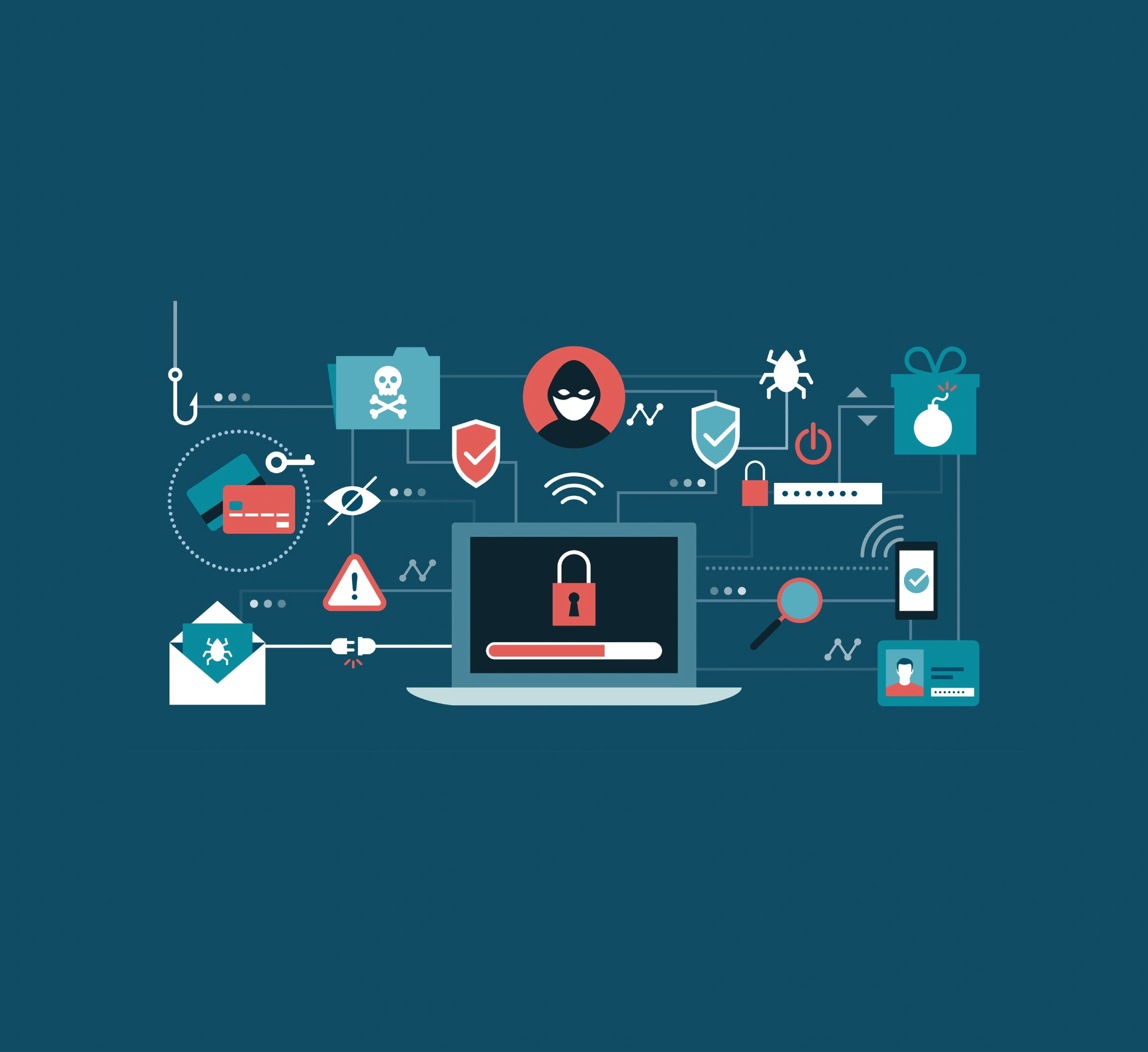
Common threats include:

  • Ransomware attacks targeting municipalities and schools
  • Phishing campaigns aimed at employees and contractors
  • Credential theft through weak password practices
  • Unpatched software vulnerabilities exploited by automated attacks
  • Misconfigured cloud and remote access systems

In many cases, these incidents are not the result of targeted attacks but opportunistic exploitation of basic security gaps.
Cyber Risk Landscape

The Five Cyber Essentials Controls

Cyber Essentials is built around five foundational security controls. These controls form the minimum baseline for reducing cyber risk across most IT environments.

Firewalls and Boundary Security

Firewalls serve as the first line of defense between internal systems and external threats. Proper configuration ensures that only legitimate traffic is allowed while blocking unauthorized access attempts.

This includes:

  • Restricting unnecessary open ports
  • Monitoring inbound and outbound traffic
  • Segmenting internal networks where appropriate
  • Reviewing firewall rules regularly

Secure Configuration

Secure configuration ensures that systems are hardened before deployment and maintained throughout their lifecycle.

This involves:

  • Removing unnecessary software and services
  • Disabling default accounts and credentials
  • Applying secure baseline settings to devices and servers
  • Minimizing system attack surfaces

Access Control

Access control ensures users only have the permissions required for their role.

Best practices include:

  • Role-based access control (RBAC)
  • Least-privilege permission structures
  • Multi-factor authentication (MFA) enforcement
  • Regular access reviews and offboarding procedures

Malware Protection

Malware protection focuses on detecting and preventing malicious software before it can compromise systems.

This includes:

  • Endpoint detection and response (EDR) tools
  • Real-time antivirus and anti-malware systems
  • Behavioral threat detection
  • Centralized monitoring and alerting

Patch Management

Unpatched systems remain one of the most common causes of breaches.

A strong patch management process includes:

  • Regular monitoring of vendor updates
  • Prioritization of critical security patches
  • Scheduled deployment windows
  • Verification and reporting of patch status

Who Needs Cyber Essentials Compliance in Michigan?

Cyber Essentials is relevant across multiple sectors, particularly where sensitive data, public services, or regulatory oversight is involved.

Municipalities and Local Government

Municipalities and Local Government

Local governments manage essential services such as utilities, public records, and emergency systems. Cyber Essentials helps establish a structured approach to protecting these critical services.

Government Contractors

Government Contractors

Organizations working with state or federal agencies are increasingly expected to demonstrate cybersecurity maturity as part of procurement and contracting requirements.

K-12 Schools and Educational Institutions

K-12 Schools and Educational Institutions

Schools face ongoing ransomware threats and data privacy risks. Cyber Essentials provides a practical framework for securing student records, administrative systems, and learning platforms.

Nonprofit Organizations

Nonprofit Organizations

Nonprofits often manage grant funding, donor data, and community programs. Cyber Essentials helps strengthen security without requiring large enterprise budgets.
Why Basic IT Support Alone Is Not Enough

Why Basic IT Support Alone Is Not Enough

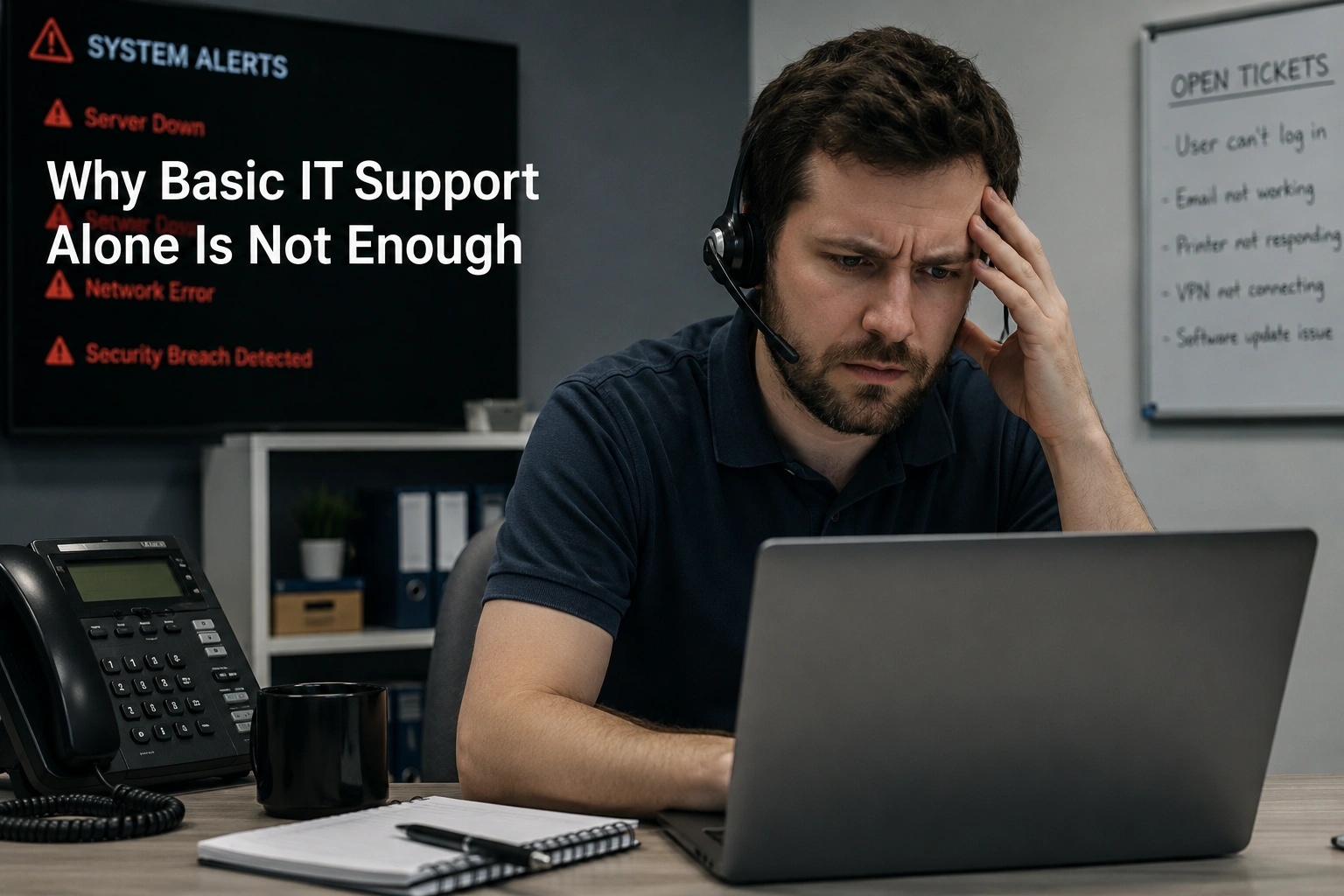
Many organizations assume that having antivirus software, a firewall, or basic IT support is sufficient for cybersecurity protection. In reality, these tools only provide partial protection if they are not actively managed and continuously maintained.

Most successful cyberattacks occur due to:

  • Inconsistent patching practices
  • Weak or reused passwords
  • Misconfigured user permissions
  • Lack of system monitoring
  • Uncontrolled device access

Cyber Essentials addresses these gaps by introducing structure, accountability, and repeatable processes across the entire IT environment.

How Fuse Technology Group Implements Cyber Essentials

Fuse Technology Group applies Cyber Essentials as part of a structured implementation and ongoing management process designed for long-term security improvement.

Assessment and Gap Analysis

Assessment and Gap Analysis

We begin by evaluating your current environment against Cyber Essentials requirements. This includes identifying vulnerabilities, configuration issues, and policy gaps.

Firewall and Network Security Review

Firewall and Network Security Review

We analyze firewall configurations, network segmentation, and external exposure points to reduce unnecessary risk.
Secure Configuration Hardening

Secure Configuration Hardening

Devices, servers, and network systems are configured using cybersecurity best practices to eliminate weak default settings.

Access Control Management

Access Control Management

We implement role-based access controls, enforce MFA, and conduct regular permission audits to ensure least-privilege access.
Endpoint Protection Deployment

Endpoint Protection Deployment

Advanced endpoint protection tools are deployed across all devices to detect and respond to threats in real time.

Patch Management Program

Patch Management Program

We establish a structured update process to ensure critical vulnerabilities are addressed quickly and consistently.

Documentation and Reporting

Documentation and Reporting

Clear documentation is provided to support compliance initiatives, audit requirements, grant applications, and procurement processes.
Ongoing Managed Compliance

Ongoing Managed Compliance

Cybersecurity is not a one-time project. We continuously monitor and maintain Cyber Essentials controls to ensure ongoing protection.

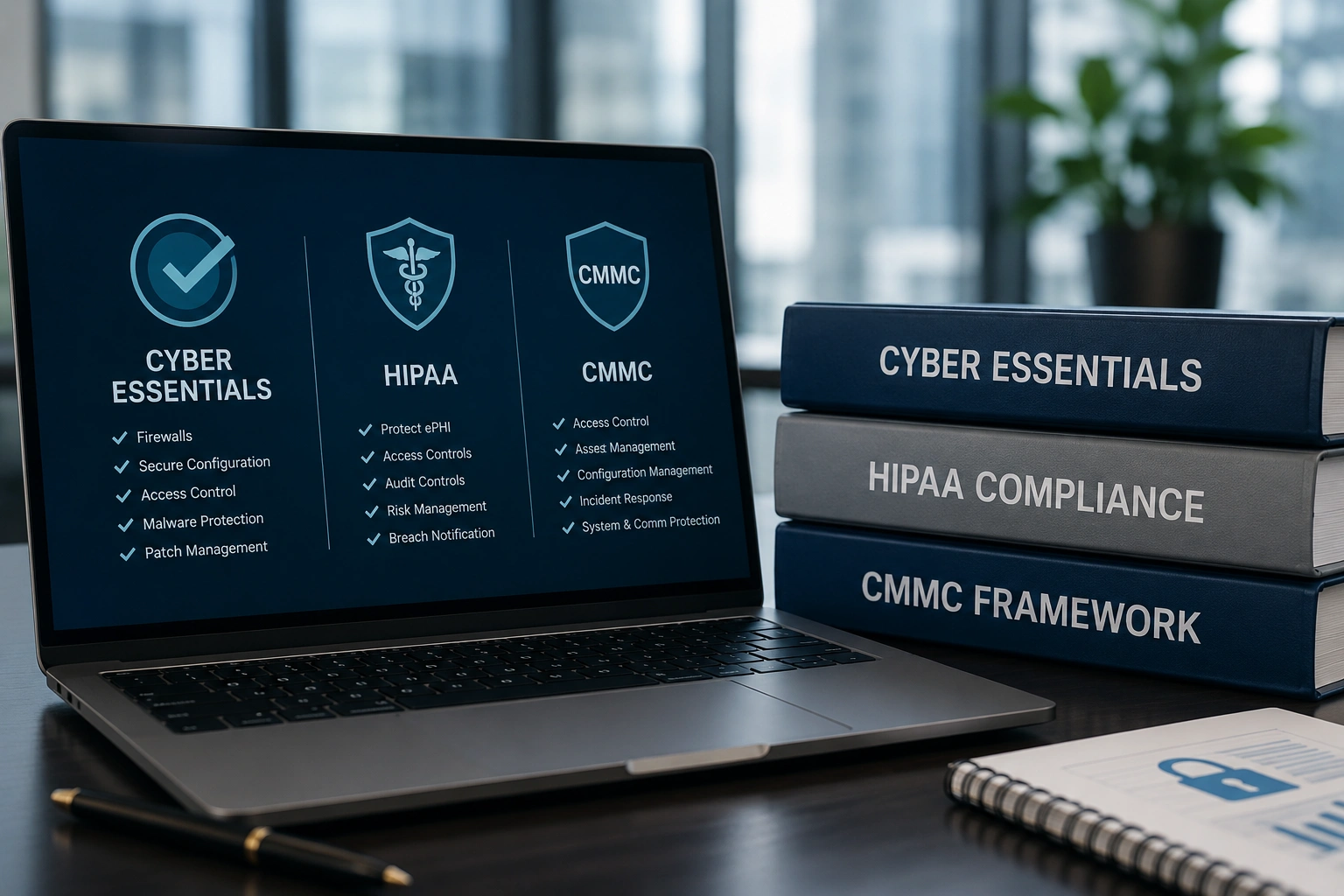
Cyber Essentials, HIPAA, and CMMC Alignment

Many organizations in Michigan operate under multiple compliance frameworks simultaneously.

  • Cyber Essentials
    Provides foundational cybersecurity controls that reduce baseline risk.
  • HIPAA
    The HIPAA establishes requirements for protecting healthcare data and electronic protected health information (ePHI).
  • CMMC
    The CMMC is required for defense contractors handling Controlled Unclassified Information (CUI).

By aligning these frameworks, Fuse Technology Group helps organizations reduce redundancy, simplify compliance efforts, and create a unified cybersecurity strategy instead of managing multiple disconnected systems.
Cyber Essentials, HIPAA, and CMMC Alignment
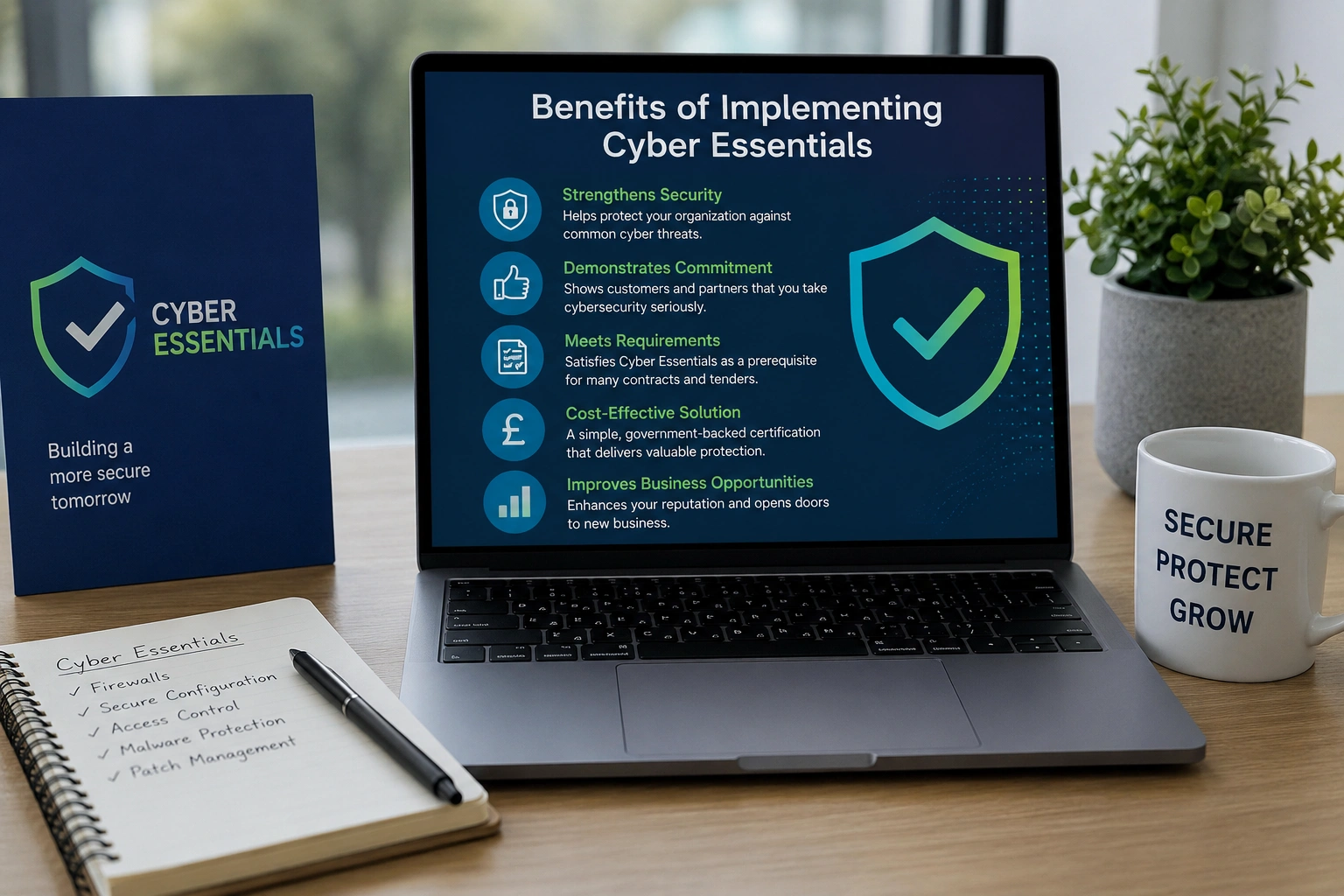
Benefits of Implementing Cyber Essentials

Benefits of Implementing Cyber Essentials

Organizations that adopt Cyber Essentials typically experience:

  • Reduced risk of ransomware and phishing attacks
  • Improved system stability and uptime
  • Stronger compliance readiness for audits and contracts
  • Better visibility into IT infrastructure
  • Increased trust from partners and stakeholders
  • More predictable and controlled IT environments

Cyber Essentials is particularly valuable for organizations that need strong cybersecurity without the complexity of enterprise-level frameworks.

Cyber Essentials Readiness Checklist

Before implementing Cyber Essentials, organizations often benefit from evaluating their current state:

  • Are firewalls properly configured and maintained?
  • Do all users have unique accounts with appropriate access?
  • Are security patches applied consistently and on time?
  • Is multi-factor authentication enabled across critical systems?
  • Are endpoints protected with modern security tools?
  • Is there visibility into system activity and security events?

If any of these areas are unclear or unmanaged, Cyber Essentials provides a structured path forward.

Cyber Essentials Readiness Checklist
Why Organizations Choose Fuse Technology Group

Why Organizations Choose Fuse Technology Group

Organizations across Michigan choose Fuse Technology Group because we provide more than just IT support—we deliver structured cybersecurity outcomes.

  • Serving Michigan organizations since 2006
  • Experience with municipalities and government-adjacent environments
  • Proactive cybersecurity and compliance management
  • Flat-rate managed service plans for predictable budgeting
  • Expertise across Cyber Essentials, HIPAA, and CMMC alignment
  • Local support throughout Metro Detroit and statewide Michigan

Our approach focuses on long-term security improvement rather than short-term fixes.

Schedule a Cyber Essentials Readiness Assessment

Cyber threats continue to evolve, but most successful attacks still exploit basic security gaps. Cyber Essentials addresses those gaps directly by building a strong, structured foundation for cybersecurity.

Fuse Technology Group provides Cyber Essentials implementation and managed compliance services for municipalities, government contractors, schools, and nonprofit organizations across Michigan.

If your organization is ready to strengthen security, reduce risk, and improve compliance readiness, a Cyber Essentials Readiness Assessment is the first step toward building a more resilient environment.

Schedule A Cyber Essentials Readiness Assessment

Frequently Asked Questions (FAQs)

What is Cyber Essentials, and is it required in Michigan?

Cyber Essentials is a cybersecurity framework focused on five core security controls. It’s not required in Michigan, but many government agencies, schools, and contractors use it to meet grant, procurement, and cyber insurance requirements.

What’s the difference between CISA Cyber Essentials and UK Cyber Essentials?

CISA Cyber Essentials is a voluntary U.S. framework, while UK Cyber Essentials is a certification required for many UK government contracts. The right framework depends on your organization’s compliance and contract requirements.

How long does it take to implement Cyber Essentials?

Implementation typically takes 30–60 days for organizations with mature IT systems and 60–90 days if significant security improvements are needed.

Does Cyber Essentials replace HIPAA or CMMC compliance?

No. Cyber Essentials provides a strong security foundation but doesn’t replace HIPAA, CMMC, or other compliance frameworks. It helps organizations prepare for those requirements.

What happens if we don’t have Cyber Essentials in place?

Without baseline security controls, organizations face a higher risk of cyberattacks, ransomware, and phishing. They may also have difficulty meeting contract, grant, or cyber insurance requirements.

Call us
phone: 248_509_0491
fax: 248_545_0803
Email
Support@FuseTG.com
Sales@FuseTG.com
Fuse_logo_114_white
248-509-0491

Located in Ferndale, Fuse Technology Group is the premier provider of Business IT Services. Providing business computer support to hundreds of clients in Detroit, Troy, Southfield, Royal Oak, Birmingham and throughout the state of Michigan.

STAY IN TOUCH

If you wish to receive our latest news in your email box, just subscribe to our newsletter. We won’t spam you, we promise!


    Subscribe

    If you wish to receive our latest news in your email box, just subscribe to our newsletter. We won’t spam you, we promise!


      248_509_0491

      Located in Ferndale, Fuse Technology Group is the premier provider of Business IT Services. Providing business computer support to hundreds of clients in Detroit, Troy, Southfield, Royal Oak, Birmingham and throughout the state of Michigan.

      Copyright © 2026 – Fuse Technology Group, Inc. All Rights Reserved. Built in partnership with Tech Pro Marketing | Areas We Serve